What was proposed
At an October 31 news conference after the G20 foreign ministers’ meeting in Atlanta, Secretary of State Marco Rubio said the United States was examining proposals related to Black Sea grain movements. Turkey, a longstanding diplomatic intermediary, has advanced ideas; India has also expressed interest in possible arrangements.
Rubio said there was renewed international interest in helping broker or guarantee an arrangement, but cautioned against describing it as diplomatic “momentum.” He did not say that Russia and Ukraine had agreed to stop attacks on shipping.
Why shipping matters
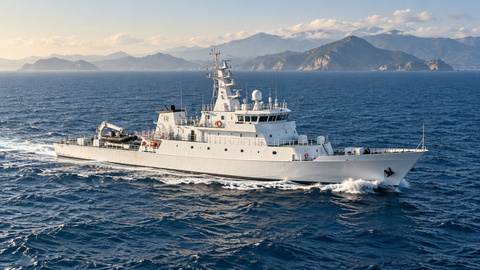
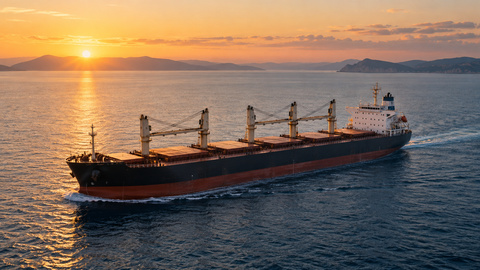
The Black Sea remains a key export channel for grain and agricultural commodities from Ukraine and Russia, with implications for food-importing countries in the Middle East and Africa. Risks to ships, ports and crews can raise insurance costs, disrupt trade and increase uncertainty for producers and consumers.
Energy shipments and infrastructure also matter, especially as winter approaches. A limited arrangement could reduce some spillover effects of the war without settling territorial or security disagreements.
Competing positions and obstacles
Canadian Foreign Minister Anita Anand reported that countries, including India and Egypt, were concerned about vessel and sailor safety and said Russia had not demonstrated willingness to proceed. Russia’s foreign minister said Moscow’s wider position on Ukraine was unchanged.
For a deal to function, parties would need to agree on scope, enforcement, verification, eligible routes, and consequences for violations. Offers of third-party facilitation do not by themselves supply those guarantees.
What the proposal does not mean
A Black Sea maritime arrangement would not be a general ceasefire, peace treaty or formal resolution of Russia’s invasion of Ukraine. Rubio said the U.S. was still trying to determine whether a broader negotiated settlement was possible. The G20 meeting ended without a joint communique.
Readers should watch for actual commitments and monitoring arrangements, rather than treating diplomatic discussions as completed concessions.