What happened
Two days before the November 3 midterm elections, President Donald Trump planned rallies in Iowa and Kansas, states Republicans have generally expected to carry. Reuters reported on November 1 that polls suggested more competitive Senate races than the states’ recent electoral history might indicate.
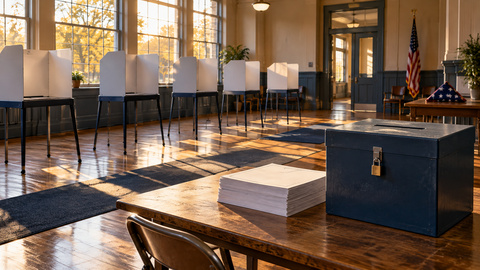
More than 52 million people had already voted by mail or in person, according to the University of Florida Election Lab as cited by Reuters. The reported total exceeds nearly 46 million pre-Election Day votes in the 2022 midterms. These are early-vote participation figures, not the number of votes counted for either party.
What is at stake
All 435 seats in the House of Representatives and 35 Senate seats are up for election. Republicans entered the campaign with a 53–47 Senate majority and a narrow House advantage. A change in either chamber would alter legislative negotiations, oversight powers, and the administration’s ability to enact major proposals.
Iowa had supported Trump by double digits in 2024, while Kansas has not elected a Democratic U.S. senator since 1932. Their competitive races are noteworthy, but a pre-election poll is not a final result.
What the numbers do—and do not—show
Early votes can grow because voters are more engaged, because voting becomes more convenient, or because people change the day on which they vote. They do not reveal the recipients of secret ballots. State reporting schedules and methods differ, so a snapshot needs a date and source.
Turnout also should not be confused with electoral support: the outcome depends on ballots counted after polls close, including Election Day votes and any ballots lawfully counted later.
What happens next
Campaigning and early voting continue before Tuesday’s election. Reported early-vote totals, polling, and race projections should be updated as new information becomes available, without turning expectations into asserted outcomes.