A decision about governing after years of conflict
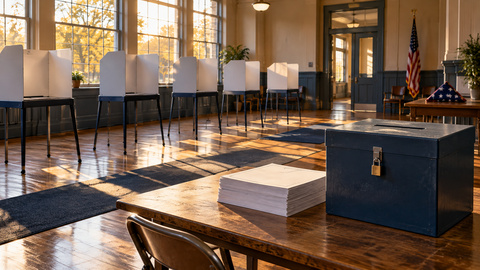
Polls opened across Israel on Tuesday, October 27, as voters chose the next 120-member Knesset. More than 7.3 million Israelis were eligible, according to election authorities, and about 12,018 polling stations were prepared. The regular voting period was scheduled to run from 7 a.m. to 10 p.m. local time. This is the first general election since the Hamas-led assault of October 7, 2023, which killed and abducted people in Israel, and the subsequent Gaza war that has caused extensive Palestinian civilian suffering and damage.
The vote is a parliamentary election, not a direct nationwide contest for prime minister. Israelis select party lists. Parties earning the required share of valid ballots gain seats in the Knesset. The parliamentary balance, possible coalition alliances and the president's subsequent consultations determine who has an opportunity to form a government. A prime minister must command parliamentary support; the key majority threshold is 61 out of 120 seats.
Rival approaches to security and government
Prime Minister Benjamin Netanyahu's Likud party seeks renewed governing authority alongside right-wing and religious allies. Supporters emphasize deterrence, Israeli security and the ability to manage the country during a prolonged regional crisis. Critics point to the government's handling of the October 7 security failures, the scale of destruction and civilian deaths in Gaza, and controversy surrounding its attempts to reshape judicial oversight.
Former military chief Gadi Eisenkot is a prominent opposition figure; former prime minister Naftali Bennett and other opposition parties also seek seats. The opposition is not a single unified party, and disagreements among its leaders—including over potential Arab-party participation in a coalition—could affect government formation. Describing the election simply as a two-person presidential race would therefore distort Israel's electoral system.
Military service exemptions for ultra-Orthodox men have become a major dispute. Supporters of broadening service obligations argue that the burden should be shared more equally after years of conflict and mobilization. Opponents of proposed draft changes cite long-standing religious-education arrangements and community concerns. Judicial independence, Netanyahu's legal troubles and institutional accountability are also part of the contest.
Palestinians and the regional stakes
The next government will influence Israeli policy toward Gaza and the occupied West Bank, negotiations over security, humanitarian access and the country's ties to the United States and neighboring states. Israeli voters differ sharply about how best to protect civilians and national security. Palestinian residents of Gaza and the West Bank generally do not vote in Israel's Knesset election, although decisions by that parliament profoundly affect their lives.
International scrutiny of Israel's military conduct and treatment of Palestinian civilians has intensified. Israel says it is acting against armed groups responsible for attacks; critics argue its government has failed to adequately protect civilians and uphold international humanitarian law. These opposing positions deserve to be described accurately rather than reduced to campaign slogans.
What the numbers do—and do not—tell us
Central Elections Committee preparations included more than 7.3 million eligible voters, tens of thousands of election workers and voting sites throughout the country. Earlier survey snapshots suggested that no bloc could be confident of a governing majority. Polls reflect voter intentions under particular field dates and methods; they are not election results, and translating vote shares to coalition outcomes adds further uncertainty.
A party generally needs at least 3.25% of valid votes to enter the Knesset, affecting whether smaller lists translate support into seats. Even if one party finishes first, it may fail to assemble a governing coalition. A coalition agreement could take weeks and can require difficult policy compromises.
What comes next
At the reporting cutoff for this article, Israel's polls were open and no certified tally or prime ministerial outcome was established. Preliminary counts, exit polls and later statements may change the picture. Readers should distinguish the October 27 voting event from any later allocation of seats, presidential mandate to form a government or completed coalition.
The immediate question is not simply which party leads the count, but which grouping can muster an effective parliamentary majority—and what commitments it makes on war, security, civic obligations and democratic accountability.