What is being decided
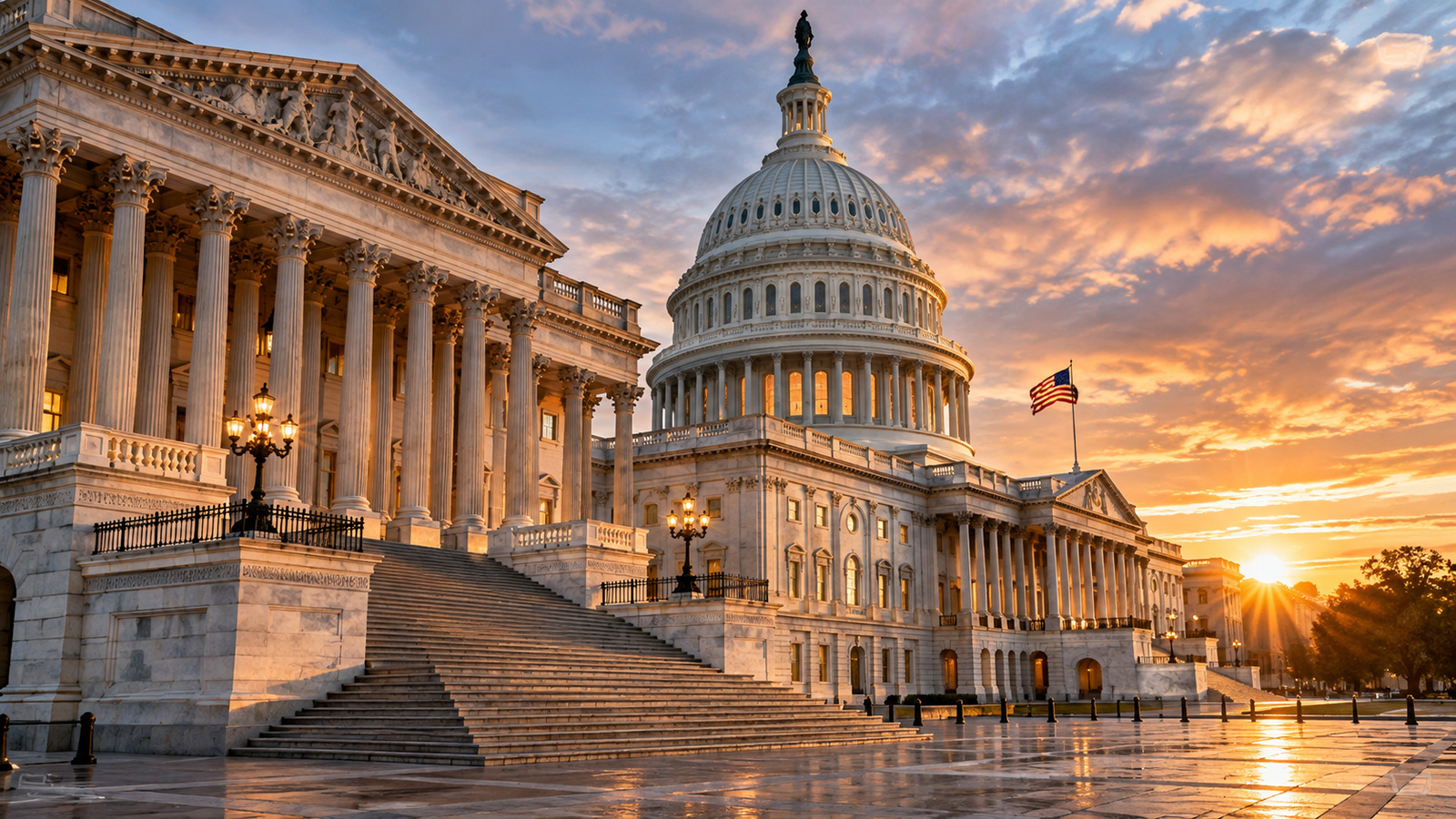
On November 3, voters in every state are selecting the entire 435-member U.S. House of Representatives. Thirty-five Senate seats and the governorships of 36 states are also being contested, along with numerous state and local offices. The mix of races makes this a national test of President Donald Trump’s first two years in office and of both parties’ candidates and platforms.
Congressional control matters beyond party labels. The House and Senate write legislation, approve federal spending, exercise oversight and, in the Senate, consider presidential nominees and treaties. A shift in either chamber could change the prospects for tax, spending, immigration and health-policy initiatives, as well as the intensity and direction of congressional inquiries.
What the early-voting figure actually measures
ABC News reported more than 57 million early ballots cast nationwide as of Monday afternoon, citing the University of Florida Election Lab. CBS News’s November 3 update subsequently put the early-voting figure above 59 million. These are successive participation snapshots across voting systems that differ substantially by state; neither is a party tally or an election result.
This is not a count of votes for either party. Increased early participation can reflect mobilization, changes in convenience or legal rules, or a shift by voters who previously voted on Election Day. Comparisons with 2022 require matching dates, ballot-return definitions and each state’s participation rules.
What observers will watch on election night
After polling locations close, election offices begin publishing partial results. Those figures can change as more precincts, early ballots, mail ballots or provisional ballots are counted. Reporting rates and the order in which ballot types are tabulated differ from place to place.
Close contests may remain unresolved beyond election night. News organizations may project winners from validated data, but those projections are not the same as the official certification process. The Russell Record will distinguish reported returns, media projections and certified outcomes.
The competing political arguments
Republicans argue that retaining their congressional majorities would preserve momentum behind the administration’s economic, immigration and national-security agenda. Democrats contend that changing control of Congress is necessary to provide stronger oversight and to pursue different policies on affordability, health care and government accountability.
Both parties have devoted resources to mobilization and turnout. The outcome will be determined by voters in individual races, not by any single national turnout figure or by early commentary about momentum.
What remains unknown
As of the reporting snapshot used for this article, Election Day voting was underway. The article therefore does not identify winners or control of Congress. Turnout, margins, possible recounts and the eventual balance of power must be established from verified subsequent reporting and election records.
Any election-night update should carry its own timestamp and distinguish counted ballots from estimates. The key question is what the verified results ultimately mean for policymaking and oversight during the remaining two years of the presidential term.